


Restaurant Management POS vs Restaurant Management Billing Software: Which One Should You Choose?
In today's restaurant industry, success requires more than just great food: it means running a tight ship, billing properly, and providing great service to your customers. With technology and innovation in the hospitality industry, many restaurants are using technology-based solutions to aid in their day-to-day operations. The two types of technology solutions that receive the most attention are the Restaurant Management POS (Point of Sale) system and the Restaurant Management Billing Software. While both types of systems aid in increasing efficiency, both are solving very different jobs, and a restaurant operator needs to understand the difference.
This article will discuss both systems by going over the features, benefits, and practical uses of each system in order to help you make the best decision for your restaurant.
Understanding Restaurant Management POS Systems
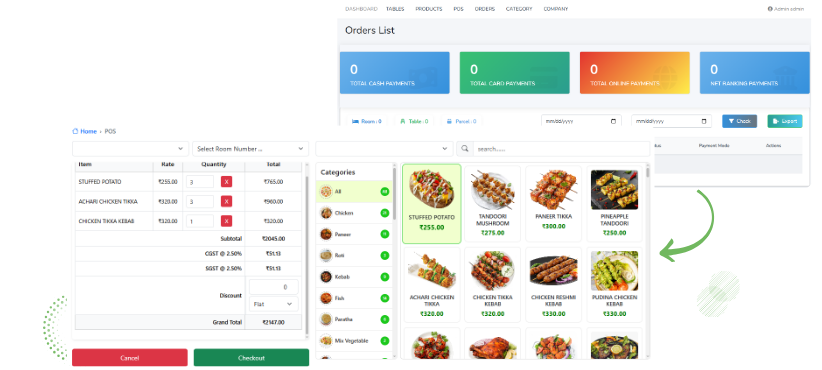
The Restaurant Management POS system is an all-in-one platform that takes care of many aspects of running a restaurant. Instead of just processing payments, like a traditional billing system, a POS system serves as a centralized connection point between all of your front-of-house and back-of-house activities. Restaurant systems help streamline order-taking, inventory, staff, and customer relationships, while providing reports to help you make informed decisions.
Many of today's POS systems include features such as live order tracking for dine-in, takeout, and delivery. Inventory is tracked to help monitor stock levels, minimize waste, and automate purchase orders. Employee management features help restaurant owners track work hours and attendance, schedules, and payroll management. Integrated customer relationship management (CRM) tools allow restaurants to gather and analyze customer preferences. Restaurants are able to establish loyalty programs and personally cater to customers' dining experiences. Through annual analytics reports, POS systems provide insight to help restaurant owners understand sales trends, popular menu items, and busy/hour peak service times. POS systems can provide a competitive edge that is vital for successful operations.
The primary benefit of a point-of-sale (POS) system is that it can create more efficient operations. With less manual work and less human error, a restaurant owner can devote time
and energy to improving the customer experience. Furthermore, a POS system may integrate with additional technologies, such as accounting software, online ordering systems, delivery applications, and more, to create an all-in-one restaurant management solution.
Understanding Restaurant Management Billing Software
When it comes to Restaurant Management Billing Software, it is dedicated to dealing with billing and invoicing functionality. Unlike the POS systems, billing software is solely responsible for ensuring accurate transactions of money as well as streamlining the process of payment for the restaurant. Billing software works very well for smaller restaurants or cafes that do not want to implement a full-scale automation of operations.
Billing software can automate invoicing, calculate taxes accurately, and monitor real-time payments, whether they are made by cash, card, or digital transactions. Multiple billing software solutions can even work in conjunction with accounting software to eliminate the occurrence of back-office work, while allowing for full transparency of the financials. This form of software offers the restaurant to compensate for simpler sales reports, track revenue, and monitor cash flow, thereby managing its finances without committing to a more in-depth software system.
The advantage of billing software is its overall simplicity and cost. In automating the invoicing and payment process for the restaurant, the restaurant can save time and reduce errors. Likewise, billing software can ensure tax compliance along with clarity of financials - both of which matter greatly for planning and budgeting for the business. If a restaurant's primary purpose is to become skilled at getting bills correct and expecting clear menus, then billing software is a good option.
POS vs Billing Software: Key Differences
Both the restaurant POS systems and billing software definitely improve efficiency, but they vary in terms of breadth of scope, purpose, capabilities, and intended end-users. A POS system is a comprehensive tool that connects almost all facets of a restaurant, including managing orders and inventory, managing staff, customer relationship management, and analytics. Billing software, instead, is streamlined towards making invoices, tracking payments, and reporting finances.
POS systems are typically purpose-built for medium and large restaurants, multi-outlet chains, or any business that wants to maintain centralized control over their operations, while billing software is best utilized by smaller businesses (cafes, bakeries, food trucks) that want to create simple invoices without sophisticated operational management. Furthermore, POS systems usually need more training and capital input (capital investment) for the numerous tasks they can handle, whereas billing software is lightweight, does not require intensive training, and is fairly inexpensive.
When it comes to data insights, it is also noteworthy. With a POS system, owners can take advantage of deep analytics, which could assist owners in making strategic decisions about menu planning, inventory management, and customer engagement. Billing software is mainly designed for financial reporting and often shows revenue trends and sales performance, but does not show outstanding payments.
Key Benefits of a Restaurant POS System
There are many benefits resulting from the implementation of restaurant POS systems —from billing alone to upselling and beyond. First and foremost, a POS system improves operations by automating processes, minimizing mistakes, and serving your guests faster. Quicker, more accurate processing improves customer satisfaction and the overall dining experience. A POS system can also provide valuable insights analyzed by analytics, which helps restaurants make changes to menu items/recommendations, adapt pricing strategies, and plan staffing better. Additionally, the integration of other programs (loyalty programs, accounting software, or delivery applications) allows for a seamless ecosystem and operation that leads to simpler, more productive business operations.
Key Benefits of Billing Software for Restaurants
The primary benefits of restaurant billing software center around accuracy, transparency, and ease of use. Automated invoicing ensures that bills are precise and reduces human errors. Payment tracking allows restaurant owners to reconcile cash, card, and digital transactions effortlessly. Financial transparency is enhanced through clear reports on sales and revenue, assisting with budgeting and financial planning. Billing software is also cost-effective, making it accessible to smaller establishments that do not require a full-featured POS system. By simplifying tax calculations and ensuring compliance, it also reduces administrative workload and minimizes the risk of errors.
Which System Should You Choose?
The choice between a POS system and billing software mostly depends on the scale of your operations and your business objectives. A POS system is beneficial for restaurants with a high volume of orders and that need assistance in managing all kinds of inventory, staff, and, in particular, making decisions based on analytics. Restaurants with multiple locations in their operations and want the option to offer an incentive program for their customers will find huge value in all of the POS system’s integrated features.
On the other hand, billing software is generally adequate for small restaurants or cafes that basically need accurate invoicing and payment tracking. If your primary focus is based on transparency, taxes, and simplicity, billing software can be a cost-effective form of software without all of the complexity of a POS system.
Conclusion
Restaurant Management POS systems and Restaurant Management Billing Software are vital in enhancing a restaurant's operational efficiencies. POS systems typically feature a comprehensive and holistic manner of managing various aspects of restaurant operations, customer management, and analytics. Editing the cost, particularly the honest billing aspect, provides the ability to accurately process bills and effectively manage accountability for financial transactions. The final choice is largely situational and based upon the size, complexity, and goals of each restaurant.
The right technology will not only bring efficiency and convenience into play, but it will also enhance customer experiences, increase retention, and expand your restaurant's growth sustainably. With this advancement of technology and a competitive marketplace, the right restaurant management software will highlight the difference between a growing restaurant and a restaurant where inefficiencies are problematic.
Through the comprehension of the features and advantages of either system, restaurant owners can strategically differ their options and make well-informed decisions that either enhance operational and/or resource efficiency, and/or lessen errors or mistakes resulting in maximizing overall profitability.
Request a Demo